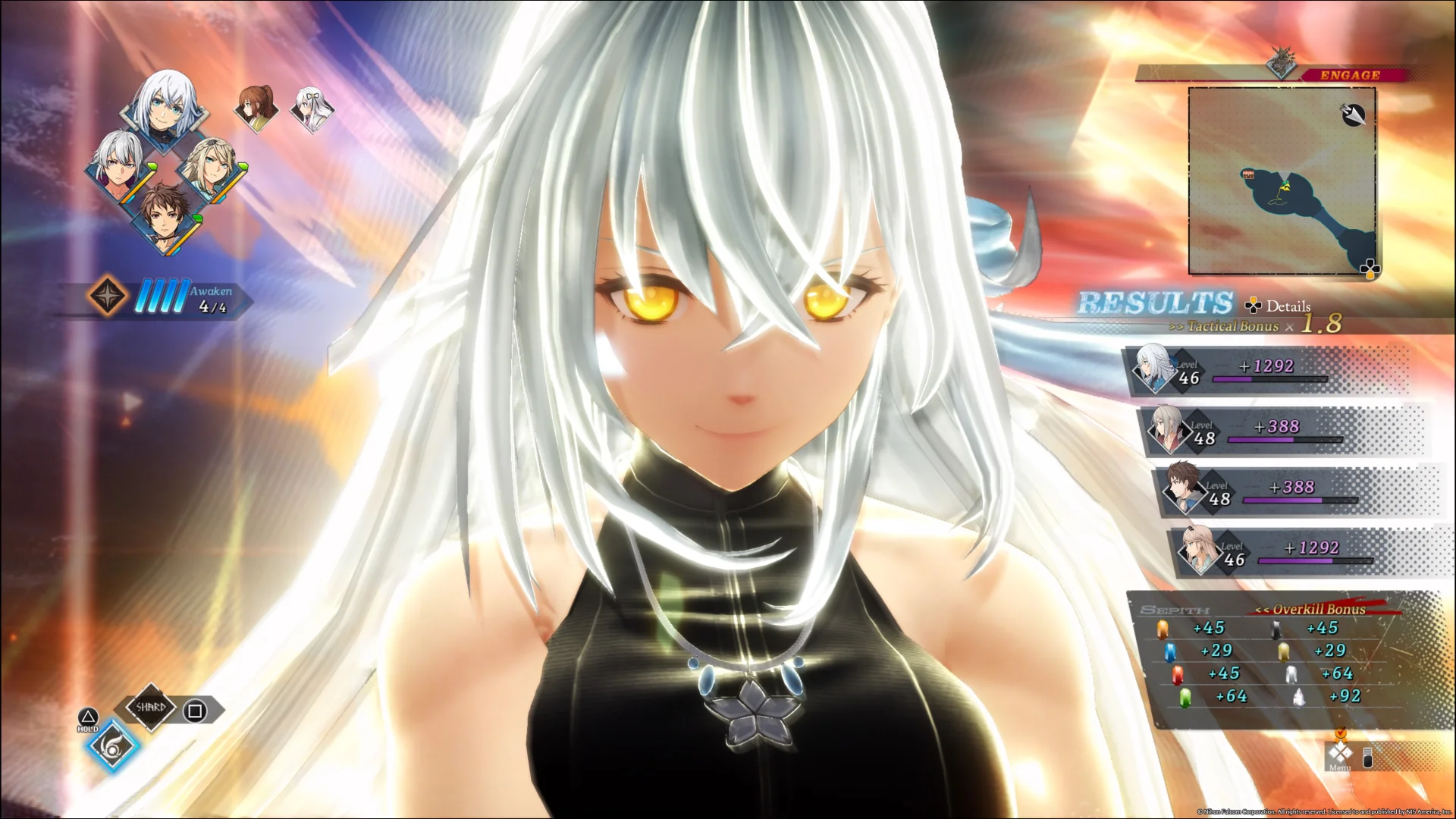
I've been playing the Trails series since 2014, when Trails in the Sky FC first dropped on Steam. Since then, I've poured hundreds of hours into Liberl, Crossbell, Erebonia, and now Calvard. So when The Legend of Heroes: Trails Beyond the Horizon finally launched, I dove in headfirst—and 84 hours later, I emerged with complicated feelings and a deep appreciation for what Falcom has accomplished.
Here's the thing: this game contains what might be the best climax the series has ever delivered. But it also tested my patience in ways I didn't expect from a Trails game. As the tagline "the beginning of the end" suggests, this is a pivotal entry that connects all the differing Trails story arcs with the promise of a grand conclusion. Let me break it all down.
The Story: Uncovering the Secrets of Zemuria
The story of Trails Beyond the Horizon takes place on the continent of Zemuria and follows three main protagonists: Van Arkride, the morally-gray Spriggan from the Daybreak games; Rean Schwarzer, the Ashen Chevalier and hero of the Cold Steel saga; and Father Kevin Graham, the Gralsritter knight we've known since Trails in the Sky. Each of these characters has their own storyline and party members, consisting of beloved characters from previous Trails games.
The game begins with the announcement of a spacecraft launching into space—humanity's first attempt to go "beyond the horizon." While the people of Zemuria are excited about this historic event, the main protagonists have their doubts, which begins a long journey of investigating Zemuria's past and present. Along the way, you'll discover the involvement of gangs, encounter traitors, watch civilians be possessed by mysterious forces, visit old friends, fight villains from past games, and more—all playing a part in the dark fate that threatens Zemuria itself.
The Route System: Three Perspectives, One Grand Narrative
Trails Beyond the Horizon splits its story into three different routes that you can choose between. This is one of my favorite design decisions in the entire game—seeing the full route select screen for the first time at the beginning of Chapter 2, with "Crossing Wills" playing in the background, gave me genuine goosebumps.
Rean's route represents the international perspective of the situation outside of Calvard. Exploring Calvard's mysteries as an outsider, recruiting familiar faces like Celis, Leon, Zin, and Walter—it all clicked beautifully. Each chapter ending with a climactic boss fight against major characters like Emilia, Shizuna, and the legendary Yun Ka-Fai felt earned and spectacular.
Kevin's route showcases the Septian Church's mysterious motives. His route rides entirely on Kevin himself and his interactions with what fans affectionately call the "picnic squad" from Trails into Reverie. His character work remains strong, exploring the Church's hidden agendas while delivering some of the game's most thought-provoking revelations.
Van's route represents the Calvardians more personally affected by the events surrounding the space program. Being the longest of the three, it carries the emotional weight of the Arkride Solutions crew and delivers the most personal stakes—though this is also where some pacing issues emerge.
Not all routes are created equal, and everyone will have their preferences. I found myself biased towards Van's route as a lover of the Daybreak games, while Rean's sections sometimes felt like going through the motions after five games of Cold Steel content.
Gameplay and Combat: A Strategic Masterpiece
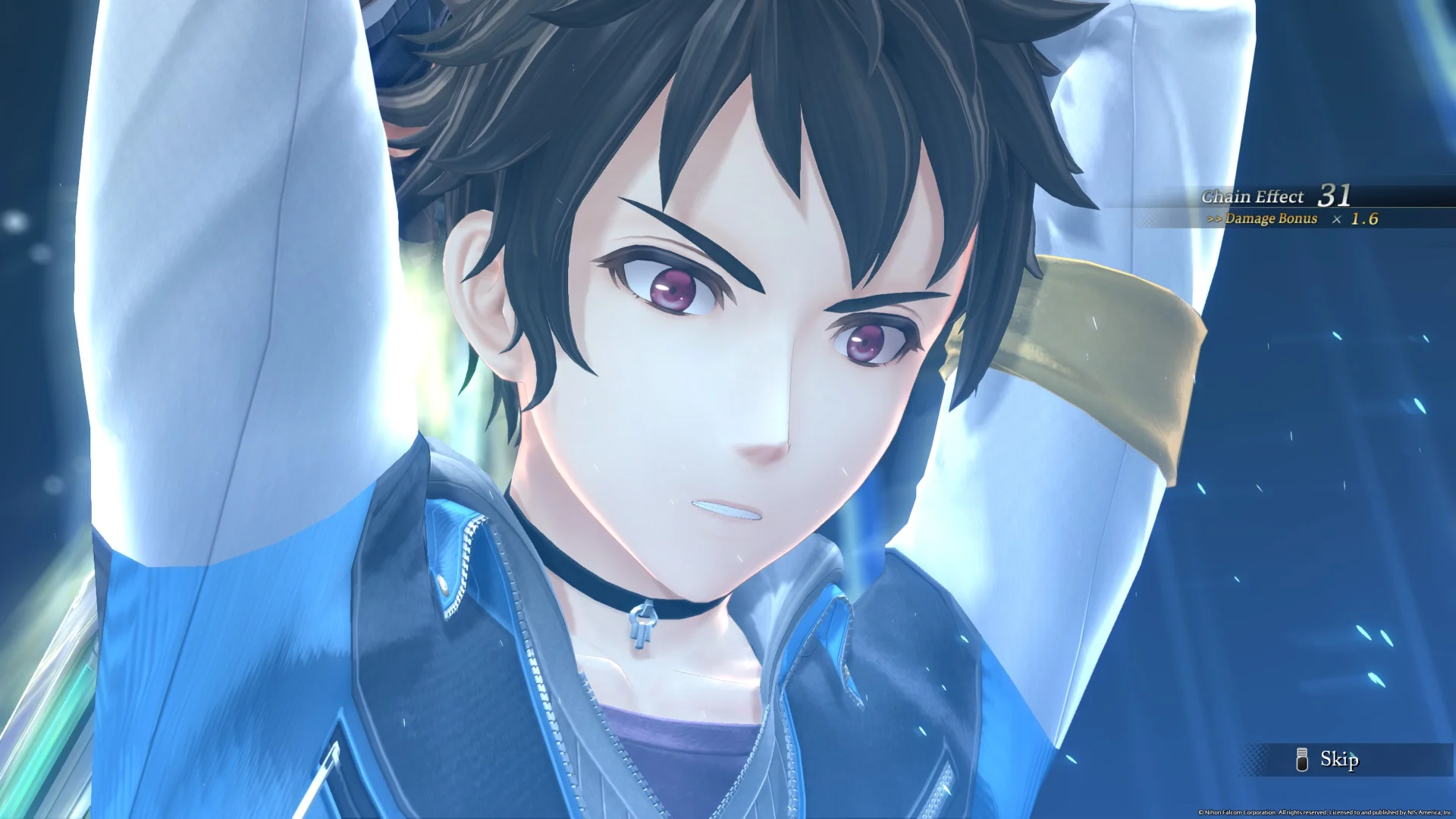
Let's start with the obvious—this is the best-looking and best-playing Trails game by a significant margin. Every updated S-Craft animation is absolutely gorgeous, and I found myself actually looking forward to using Kevin's abilities just to watch them unfold. The visual team at Falcom has truly outdone themselves.
The Hybrid Combat System
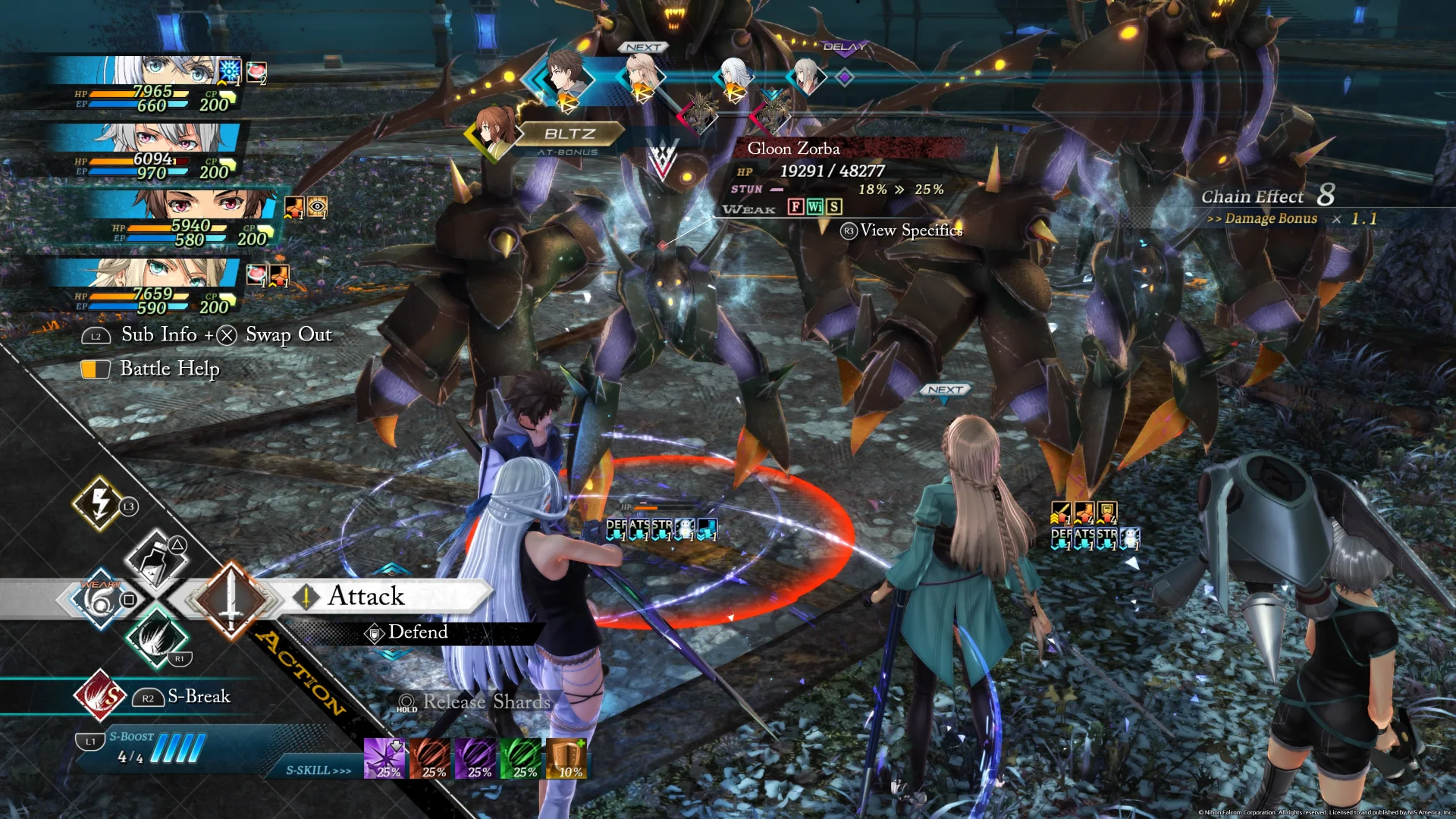
Combat consists of real-time and turn-based mechanics that players can switch between seamlessly on the fly. The action RPG elements initiate combat when you spot an enemy, though you can swap to the more strategic turn-based mode with a single button press. This dual-system approach gives you unprecedented control over every encounter.
New features like Shard Commands allow you to buff your entire party—increasing defense, raising attack power, or providing various tactical advantages for a set number of turns. What makes this system brilliant is that enemies can use Shard Commands too, but you can cancel theirs by activating your own if you have enough Boost Charges.
Boost Charges are the most important resource in boss fights. They're earned by landing attacks and can be used for multiple purposes: gaining additional turns, executing S-Crafts (ultimate attacks), or activating Shard Commands. The strategic decisions around when to spend these charges kept my mind constantly engaged.
Should you use your charges to cancel the boss's Shard Command and remove their attack buff? Should you save them for a devastating S-Craft to finish the fight? Or should you spend them to gain additional turns for healing? These questions ran through my mind constantly during tough encounters, and it's proof that the combat system demands genuine strategy.
The Awakening System
Certain characters, like Van with his ability to transform into the Grendel, can surge with extra strength using Awakening during Field Battles. This temporarily increases their power dramatically and adds another layer to combat timing.
The Z.O.C. Mechanic
Taking control of time itself with Z.O.C. allows you to slow enemies to a crawl, enabling characters to perform multiple attacks in quick succession. While Z.O.C. is activated, your attack power and stun damage increase dramatically, making it invaluable for stunning heavily-armored enemies.
More importantly, they finally addressed my long-standing complaint with the series: difficulty. Previous games could be broken wide open with the right quartz setup, but Horizon actually fights back. Some boss fights—especially a certain wolf encounter that shall not be named—had me stuck for multiple attempts. It felt rewarding in a way the series hasn't in years.
Character Customization: Deep and Rewarding
The depth of customization outside combat impressed me even more than the battles themselves.
The Quartz System
Quartz are items you insert into a grid that enhance your characters in various ways—increased cast speed, attack power, defense, and more. Some Quartz even grant special abilities, like turning invisible when health drops low. The system is incredibly complex, to the point where it can be overwhelming given the sheer number of options available.
Fortunately, the game includes a fantastic quality-of-life tool that auto-equips Quartz based on a desired playstyle. Want a character focused on speed? The game will select the optimal Quartz configuration for you. This feature saved me hours of menu management.
Skill Stones and Craft Upgrades
Unlike other games where leveling automatically strengthens abilities, Trails Beyond the Horizon lets you manually upgrade Crafts through the Skill Stone system. These items, found in dungeons and purchasable with Mira, can be invested into specific abilities to increase their damage, healing output, or utility. Once I realized how impactful this was, I found myself grinding specifically for Skill Stones.
Holo Cores
The Holo Core system determines the buffs party members receive when using Boost Charges. This is where you can truly create overpowered builds. The Alter Bathym Holo Core, for example, grants the "Dread Soldier" buff: extended stun duration on enemies, 80% increased damage to stunned enemies, 20% increased physical damage, and 40% higher critical rate. Finding and optimizing Holo Cores became one of my favorite aspects of the game.

The Grim Garten: Optional Content That Isn't Really Optional
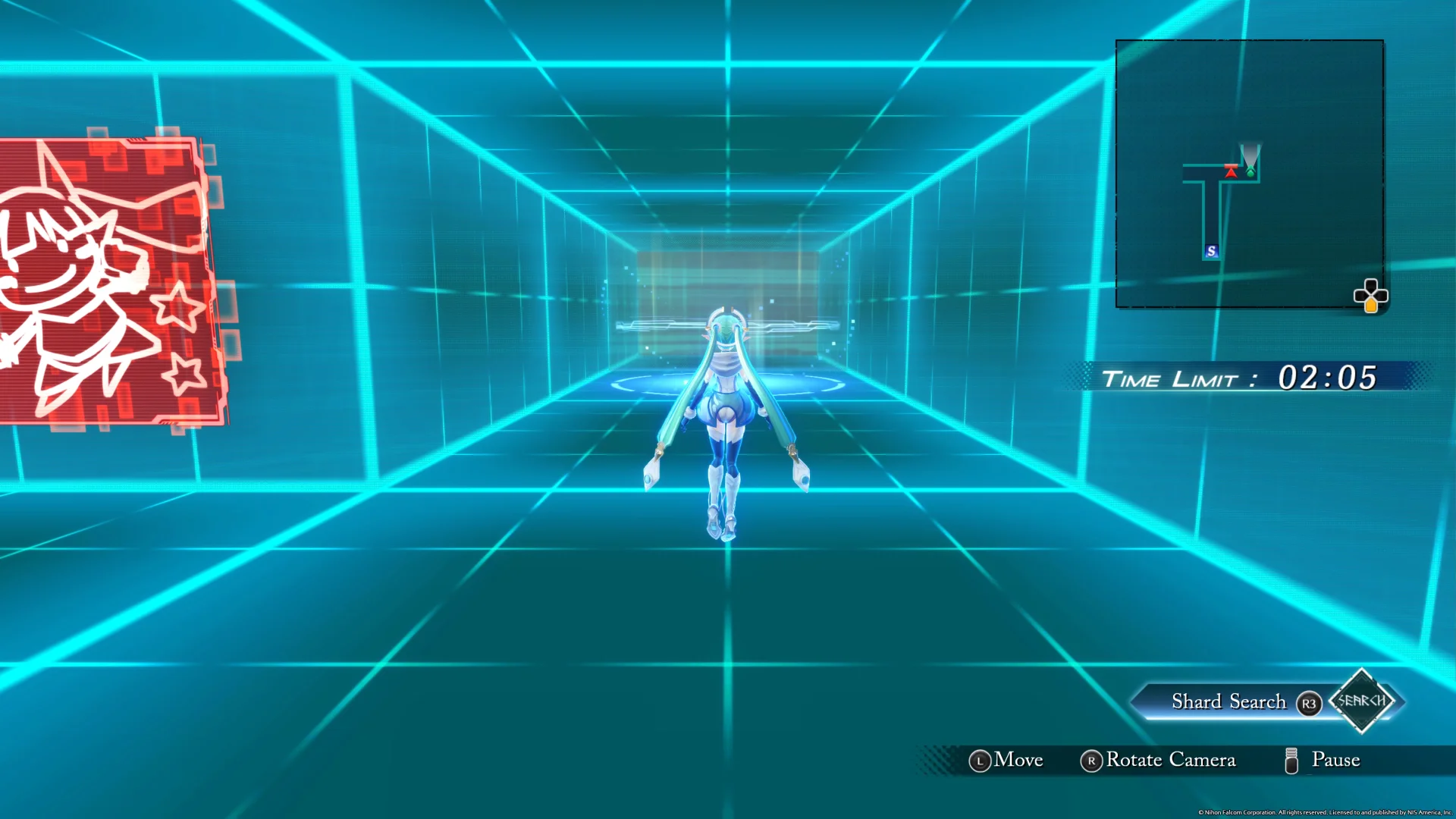
Beyond the main story, the optional dungeon known as the Grim Garten awaits. Similar to Persona 3's Tartarus or the Reverie Corridor from Trails into Reverie, it's a series of domains that act as dungeons, with each higher domain becoming more challenging.
The Grim Garten features its own storyline, makes it the perfect place for grinding and leveling up, and includes a shop for weapons, armor, items, and Quartz. There's even a gacha-style mini-game that rewards useful items and costumes—surprisingly addictive in providing that constant dopamine rush of rewards.
Each domain consists of three objectives: one main objective and two side objectives. Completing the additional objectives increases your rewards, while boss fights at the end of each domain provide substantial experience and loot.
I refer to it as "optional" because the game does so after a certain point, but in reality, the domains provide crucial insight into the main plot. You also acquire memento orbs that let you explore series lore and worldbuilding. Given the separation of party members throughout the story routes, the Grim Garten is one of the few places where you can assemble your dream team. My personal favorite combo was Shizuna, Swin, Quatre, and Elaine, with Agnes, Altina, Kevin, and Renne providing reserve support.
Fair warning: If you skip the Grim Garten entirely, you'll struggle significantly against the game's main bosses.
The Soundtrack: A Return to Form
Falcom's sound team has been coasting a bit in recent years, but Horizon feels like a genuine return to form. I'll be honest—"Find the 4spg Out" might be my least favorite normal battle theme in the series. I tried to vibe with it, but it just never clicked.
On the flip side, "Detoxify the Snake Venom" (the Grim Garten battle theme) had me manually switching my battle music every time I entered those domains. It's an absolute banger that never got old.
But the ending stretch? Chef's kiss.
The way the game chains together "And Then, Into Space," "To Confirm My Existence," "The Fortress of Destiny," and especially "Dies Irae -Juncture of the Dawn-" forms a musical suite that rivals anything the series has produced. When that final boss theme kicked in, I got actual chills. Jindo and Koguchi are absolutely cooking, and this OST has renewed my faith in Falcom's musical direction.
The Ending: Peak Trails (With Caveats)
Without spoiling anything specific: the final chapter delivers. The payoff for Gramheart's arc—watching him transform from a suspicious figure to a tragic hero trying to save his daughter and bloodline—is masterfully done. The revelations about artifacts being remnants of past timelines opened up fascinating lore implications. The Kincaid twist and the moment with Grendel Shaddai ("I AM THE BEAST THAT BRINGS THE WHITE DAWN") are among my favorite moments in the entire franchise.
I love how Agnes emerges as arguably the tale's "main hero" given how the story develops. Her story scenes are truly well-done, and despite the massive party roster, everyone gets a chance to shine during main story scenes or connection events.
The game also handles some LGBT+ story beats with more care and sensitivity than previous entries. Even Jorda and Ixs, the twin assassins originally introduced in Daybreak II, receive much-needed depth and narrative purpose here, with Jorda in particular becoming a standout character.
I just wish the finale was longer. The game spends 80+ hours building toward this climax, only to deliver it in the final hour or two. It's spectacular when it arrives, but the journey there tests your patience.
The Lows: Where Horizon Stumbles
Pacing Issues
This is the crux of my issues with the game. Horizon markets itself as a payoff game, but it's really a buildup game in disguise. The entire experience feels like setup for Kai 2, and while I understand the narrative necessity, large chunks of the game feel like treading water.
Van's route suffers the most. Chapters that could have been condensed stretch on and on, with villains who fight, monologue, laugh, and disappear without consequence. The Executor setup took two full chapter parts—way more than necessary to establish their threat level.
Excessive Dialogue
Even by JRPG standards, Trails Beyond the Horizon has a lot of dialogue. This wouldn't be an issue if it consistently focused on the main plot, but progressing the story involves speaking to numerous characters around each city, most of whom require lengthy introductions explaining their background and role. Appreciable for worldbuilding, tedious after the dozenth time.
Route Lock-In
Being forced to complete one route before switching to another can disrupt narrative momentum. When you're invested in Van's storyline and suddenly must complete Rean's next section first, it pulls you out of the emotional thread you were following.
Van's Agency Problem
In his own route, Van spends most of the game being dragged around by antagonists with minimal agency or consequence. The Arkride Solutions Office—characters I loved in Kuro—feels sidelined in favor of setting up threats for the next game. Jorda's character development, particularly her Anchorville scenes, provides a bright spot, but it's not enough to carry an 80+ hour game.
Technical Presentation
Graphically, Trails Beyond the Horizon is easily the best-looking Trails game to date. The character models are expressive, the environments are colorful and vibrant, and the UI is generally well-designed—though it can get busy during combat.
The English voice acting is phenomenal. Quatre's voice actor does incredible work in certain scenes, and both Agnes and Jorda's performances are emotionally resonant throughout. Van, Kevin, Rean, and Lapis also deliver standout work, but honestly, the entire cast brings their A-game.
I did encounter one nasty glitch in the Finale where the game froze during a voiced cutscene 30 minutes into a massive exposition sequence. Fortunately, using the backlog forced the game forward, but those were anxious minutes.
The Verdict
Here's where I land: Trails Beyond the Horizon is a good game with moments of genuine greatness. The climax alone justifies the journey for series fans. The gameplay improvements are substantial, the music is excellent, and when the story finally decides to pay off its setups, it hits harder than almost anything else in the franchise.
But it's also a game that dangles the fish in front of you for 80 hours before letting you take a bite. The Calvard arc as a whole has a bloating problem—not as severe as Cold Steel, but similar in nature. We're now three games deep with the main payoff still on the horizon (pun intended).
The combat system might be the best in the JRPG genre, with its seamless hybrid approach and deep strategic layers. The customization systems—Quartz, Skill Stones, Holo Cores—complement each other beautifully. The side content, from the Grim Garten to character relationships to genuinely compelling side quests, is worth exploring rather than skipping.
I'm reserving final judgment until Kai 2 releases. There's a chance that game elevates the entire arc retroactively. But after Daybreak 2 and now this, I can't help feeling like the series sometimes punishes fans for their investment rather than rewarding them.
As a lifelong fan, I still loved my time with this game. That final chapter might genuinely be peak Trails. The setup for what comes next is absolutely incredible, and while the ending could be divisive, I have faith in Falcom's ability to bring this massive saga to a satisfying conclusion.
I hope Falcom remembers that we should be rewarded for the hundred-plus hours we invest, not made to feel like we're pushing through to get to the good parts. But when those good parts arrive? There's nothing else quite like it in gaming.
Score: 8/10 — A worthy entry with the highest highs the series has seen, held back by structural pacing issues that Falcom needs to address going forward. Essential for Trails fans, but definitely not newcomer-friendly.
Now if you'll excuse me, I have to figure out how to survive the wait for Kai 2. See you on the other side, fellow Bracers.