Before we go any further, a disclosure — because it will save us both some time. I am not the right person to review this game. I am a fan of the Trails series. Not the kind of fan who says "I'm a fan" and then writes 2,000 words of measured critique. The other kind. I have beaten Trails in the Sky SC more times than is reasonable, and I play my first run of any Trails game on Easy — not because I can't handle the combat, but because the first time through I want the story and nothing else standing in the way. Once I know what happens, I go back and turn it up. So right now that's 70+ hours on Easy, one full clear, and a harder second run waiting for me.
And the specific bias I'm bringing: I don't love this series because of any one character. I love it because of the world — the towns, the politics, the orbal technology everything runs on, the shopkeeper whose small problem in chapter one becomes a different problem in chapter five, the background NPC who turns out to matter three games later. I care about the setting as a whole and how the pieces fit together, and that's what I'm actually reviewing here.
So when I tell you that Trails in the Sky 2nd Chapter is a 10/10, understand what that number is. It is not a measurement. It is not a comparison against every other game that came out this year. It is a fan telling you that he waited years for this and it arrived exactly the way he wanted it, and that he is aware this makes him a terrible person to trust.
I put more than 70 hours into this one — one full clear, every side quest I could find, every party member I could drag along, and I still didn't touch everything. That's the shape of this review. It's a recommendation from a friend who will not shut up about it.
What the Remake Changes, and What It Refuses To
Let me start with the thing that matters most, because it's the thing I was most nervous about: the remake does not touch the story.
Same plot beats. Same quest structure. Same dungeon layouts, same towns, same order of events, same gut-punch moments. Falcom did not pull a Final Fantasy VII Remake and rebuild the narrative into something else wearing the same names. They rebuilt the presentation — the models, the camera, the lighting, the voice work, the combat — and left the writing alone.
This is the correct decision and I will die on this hill. Trails in the Sky SC is a story that already works. It doesn't need a rewrite. If you wanted them to change it, you didn't want a remake, you wanted a different game. What we got instead is the version of this story where you can finally see it properly.
That said, it isn't a pure copy either. There is new content folded in — the kind of additions that quietly line up the dots with later entries in the franchise, giving extra context to certain villains and story arcs that the original had to leave hanging. If you've played the games that came after, you'll notice them. If you haven't, they just read as good scenes.
The Fix I Didn't Know I Needed: You Can Finally See Them React
Here is the thing that makes this remake worth buying, and it's not the graphics.
The original SC ran on chibi sprites with portrait art. When a character said something, you read the line, looked at their portrait, and then imagined the reaction. You inferred the hesitation. You worked out from the writing that someone had looked away, or gone quiet, or taken half a second too long to answer. The text told you, and you built the performance in your own head.
The remake shows you.
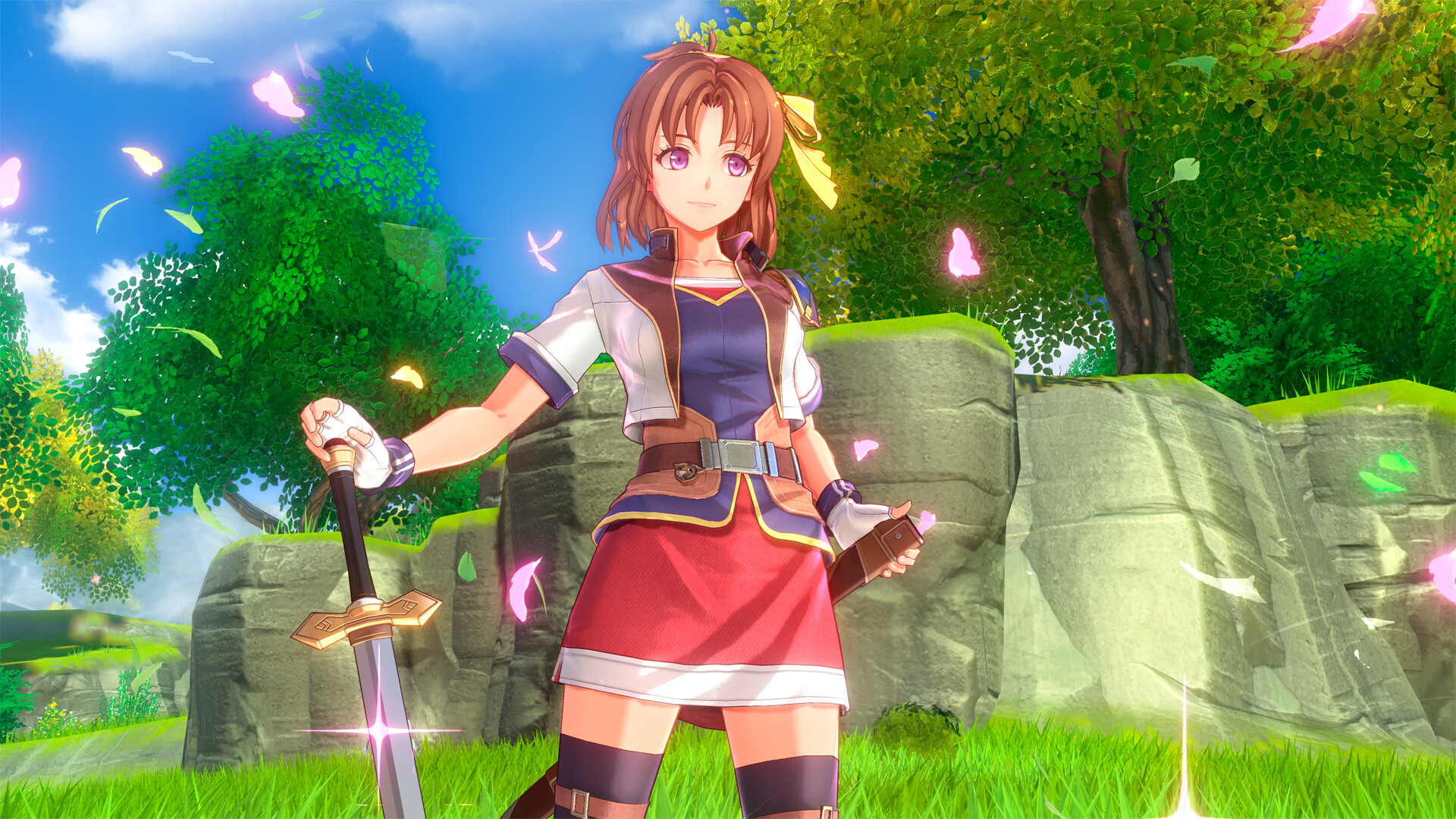
Full-proportion 3D models, animated faces, real camera framing, and voice acting on top. And the effect of that change is much bigger than it sounds, because so much of what makes this story land is timing. The half-second before someone answers. The way a character's expression drops while they insist everything is fine. The small shift in posture when a conversation turns. All of that was in the script all along — the original just couldn't show it to you.
I have read these lines dozens of times. I still caught things I had never noticed before, purely because the old version never let me see them.
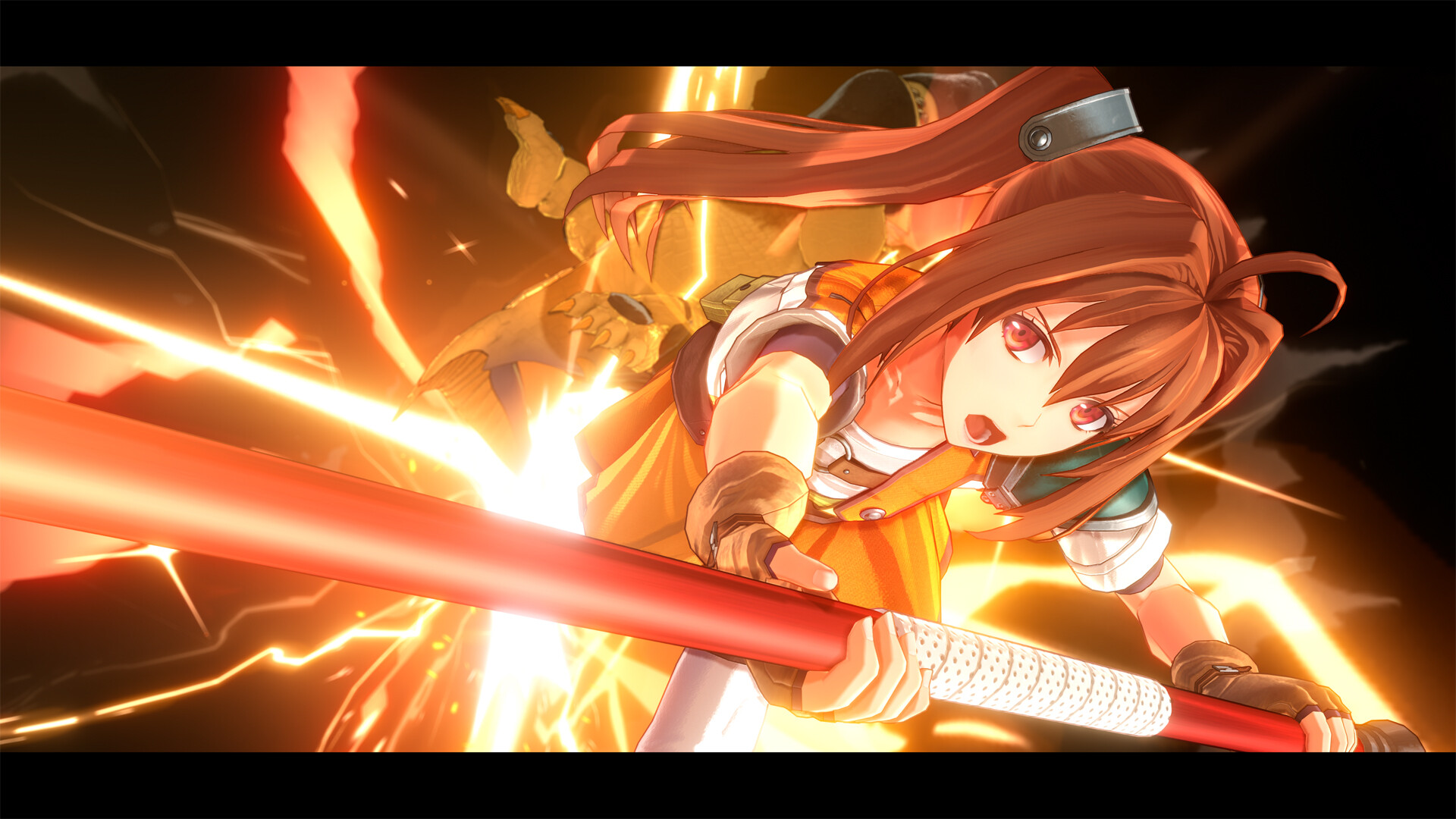
Battles are properly cinematic now. S-Crafts actually land with the weight the numbers always implied they had. There's a version of this argument that says Falcom should have left the original alone, and I understand the sentiment — but honestly, the original is still there, and it's still great. This is not a replacement. It's the same story finally getting the staging it deserved.
Liberl Finally Looks Like a Country
This is the part I care about most, and it's the part the remake fixes most completely.
In the original, Liberl was something you understood rather than something you saw. The backgrounds were painted. The towns were a handful of screens. The chibi sprites meant that a crowd was a row of identical figures. You could tell me that Zeiss was an industrial city and Grancel was a royal capital, and I could repeat it back to you, but I had never actually felt the geography of the kingdom. The world existed in the text and in my imagination, and the game's job was mostly to not contradict either.
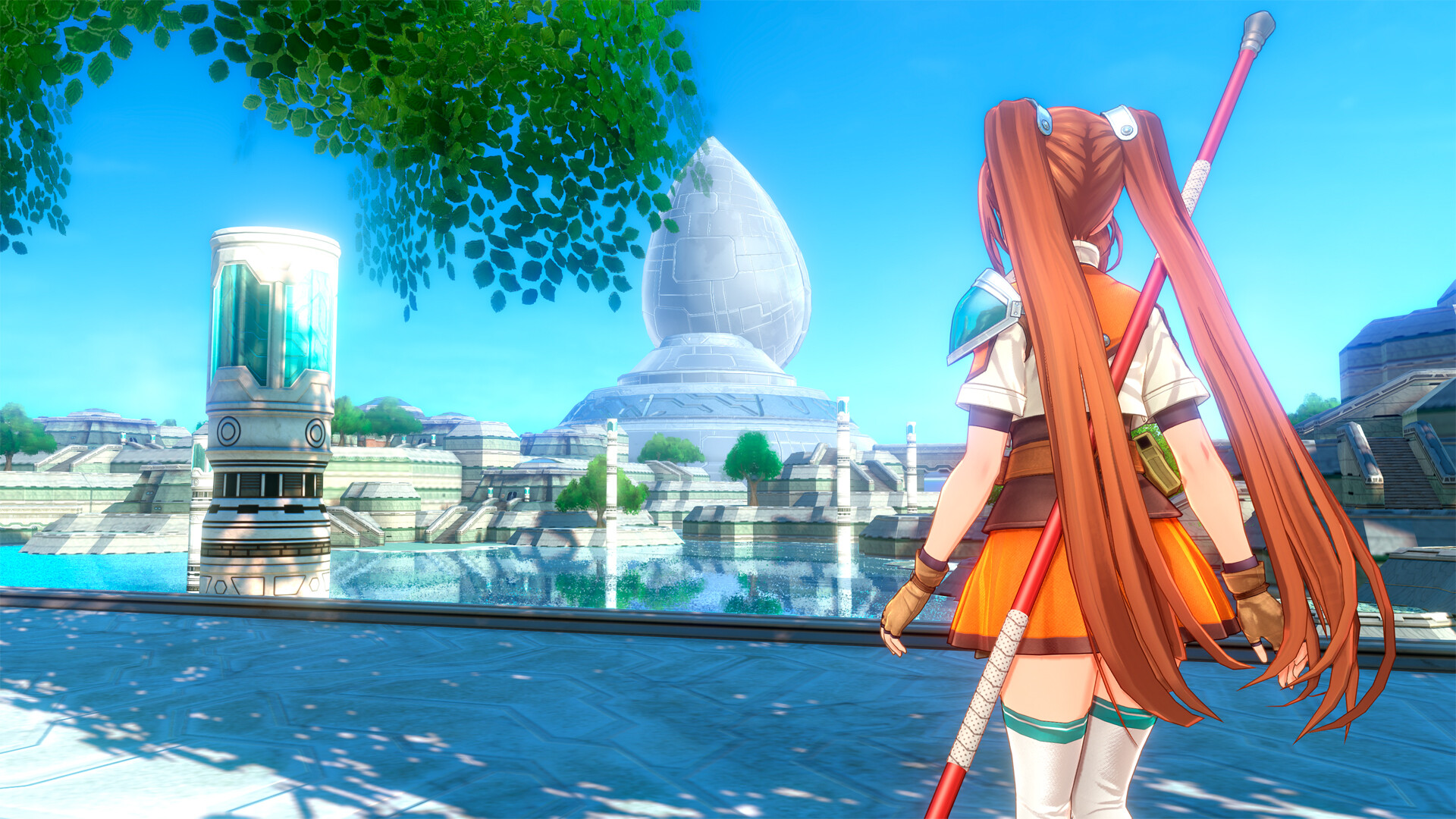
The remake puts you inside it. Zeiss looks like a city built around factories, because that's what it is — the place where the orbments that run this entire civilisation get made. Grancel looks like a capital, with the scale and the ceremony to match. Bose reads as a trade town, Ruan as a port, Rolent as the quiet provincial place Estelle grew up in. Farms look like farms. Roads look like roads that connect to other roads. The orbal technology that the whole setting is built on is finally visible — you can see the lamps, the engines, the machinery, and it stops being a lore bullet point and becomes the thing the country actually runs on.
And the political situation becomes legible in a way it never quite was. Liberl is a small kingdom that modernised itself on orbment technology faster than anyone expected, sitting directly between two empires that would both very much like to own it. That's the premise of the whole series, and in the original it was something characters explained to you. In the remake you can look at the map and see it. The Bracer Guild stops being a quest board and starts being an institution — a neutral body in a country that has reason to want one.
Then there's the thing that actually makes this series special, and the remake finally does it justice: the NPCs.
Every single one of them has a life that continues without you. You talk to someone in the first chapter and they have a small problem. You come back three chapters later and the problem has resolved, or gotten worse, or turned into a completely different problem. Nobody announces it. There's no quest marker. It's just there, waiting for you to notice.
Armand and Ellie are the example I always use when I'm trying to explain this to someone who doesn't play these games. You meet them in Rolent in the prologue of the first game — Armand is standing on a street corner staring at a girl, and when you talk to him he just admits it. He asks her out. She turns him down, because she's a romantic and she believes there's a proper time and a place for that sort of thing. So he waits, and then he tries again on top of Rolent's clock tower at sunset, and that one works. By the end of the prologue he's telling anyone who will listen that he's taking his new girlfriend to Grancel for the Queen's birthday. And then you keep playing. Chapters later, in this game, you pick up a request at the Rolent chapel signed by both of them — their engagement ring has been stolen, apparently by a black devil, and it is now sitting on the roof of Esmelas Tower. You climb up and get it back for them. By the end of the game, they're married. Two people who started out as a guy staring at a girl on a street corner, and nobody ever told you to care about them.
That's the single biggest reason this world feels real instead of staged. The remake gives every one of them a face, and with the voice mod installed, a voice. Walking through a town in this version is a completely different experience from walking through it in the original, because the crowd is no longer scenery.

Estelle Alone Is Really a Tour of the Whole Country
Joshua leaves in the opening hours. He tells Estelle the truth about his past and disappears into the night, and the game hands you his harmonica and one of the best protagonists in the genre.
Some reviewers have complained that this is where the game loses steam — that Estelle and Joshua together is the special thing, and separating them for most of the runtime blunts the narrative. I understand the complaint. I missed Joshua too. But I think it gets the point backwards.
Here's the structural insight I didn't appreciate until my second or third time through: sending Estelle out alone is what turns this game into a full circuit of Liberl. You go back through Rolent, Bose, Ruan, Zeiss, and Grancel — every region you already walked in the first game — and the game makes you look at all of it again with different eyes. The first game introduced the country. This one makes you live in it, and it does that by taking away the one thing that would have let Estelle skip the journey.
So yes, it's her story, and she carries it well. She's loud, she's nosy, she's relentlessly kind to strangers who don't deserve it, and she has absolutely no plan. She's a subversion of the cheerful optimistic RPG protagonist, and she works because the game never once treats her optimism as naivety. By the end she has grown into someone genuinely formidable, and you can watch it happen step by step.
But the reason that matters to me is that her solo journey is the vehicle for the worldbuilding. She's the excuse to send you back through every town and every province, and the game uses her to show you what's changed since the last one. That's the real payoff, and it's why I've replayed this thing so many times. You don't replay it for a character. You replay it to go back.
Olivier Lenheim Is Still the Best Thing in Liberl
I need to be honest about something, and this is where my objectivity fully dies.
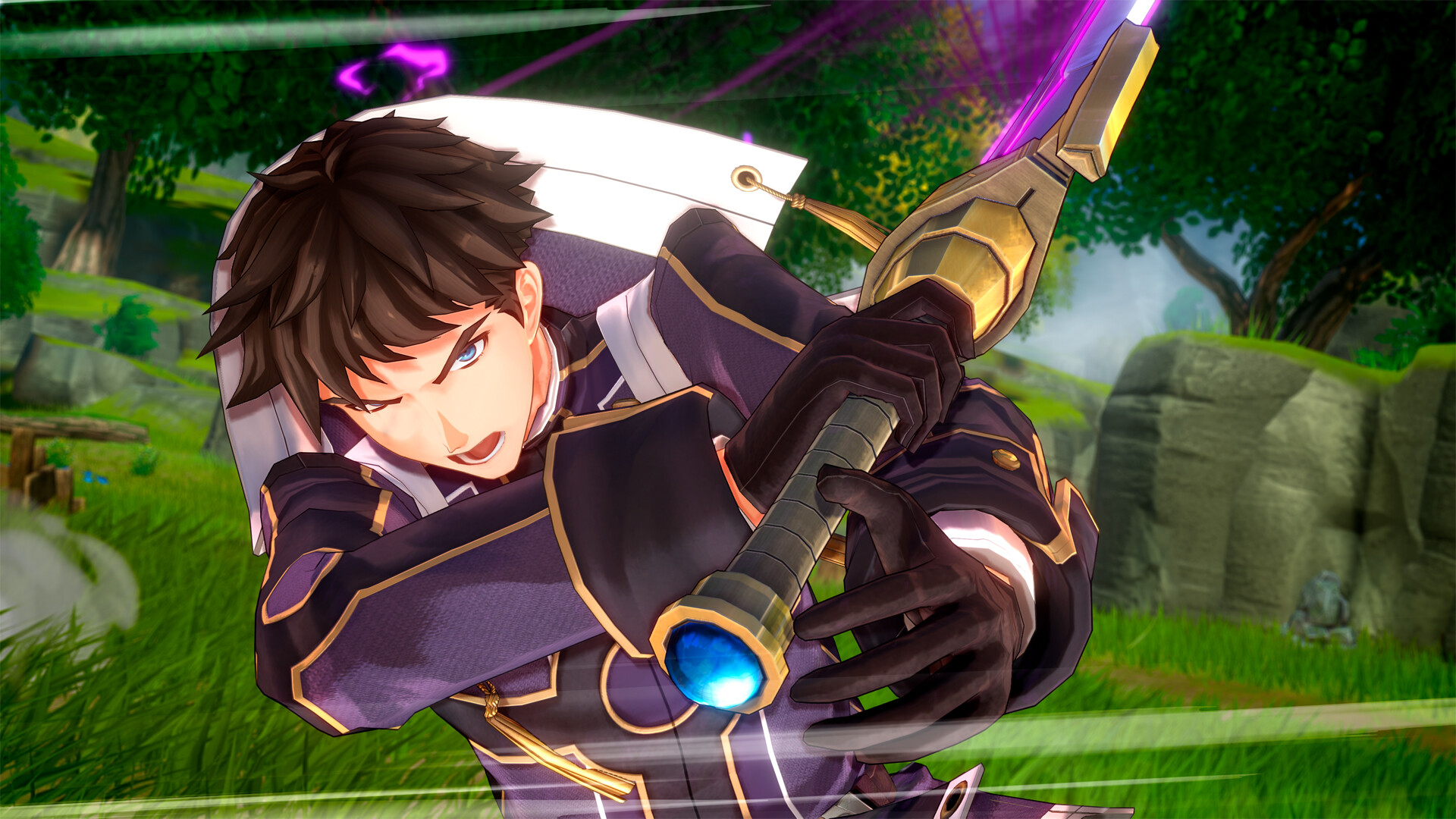
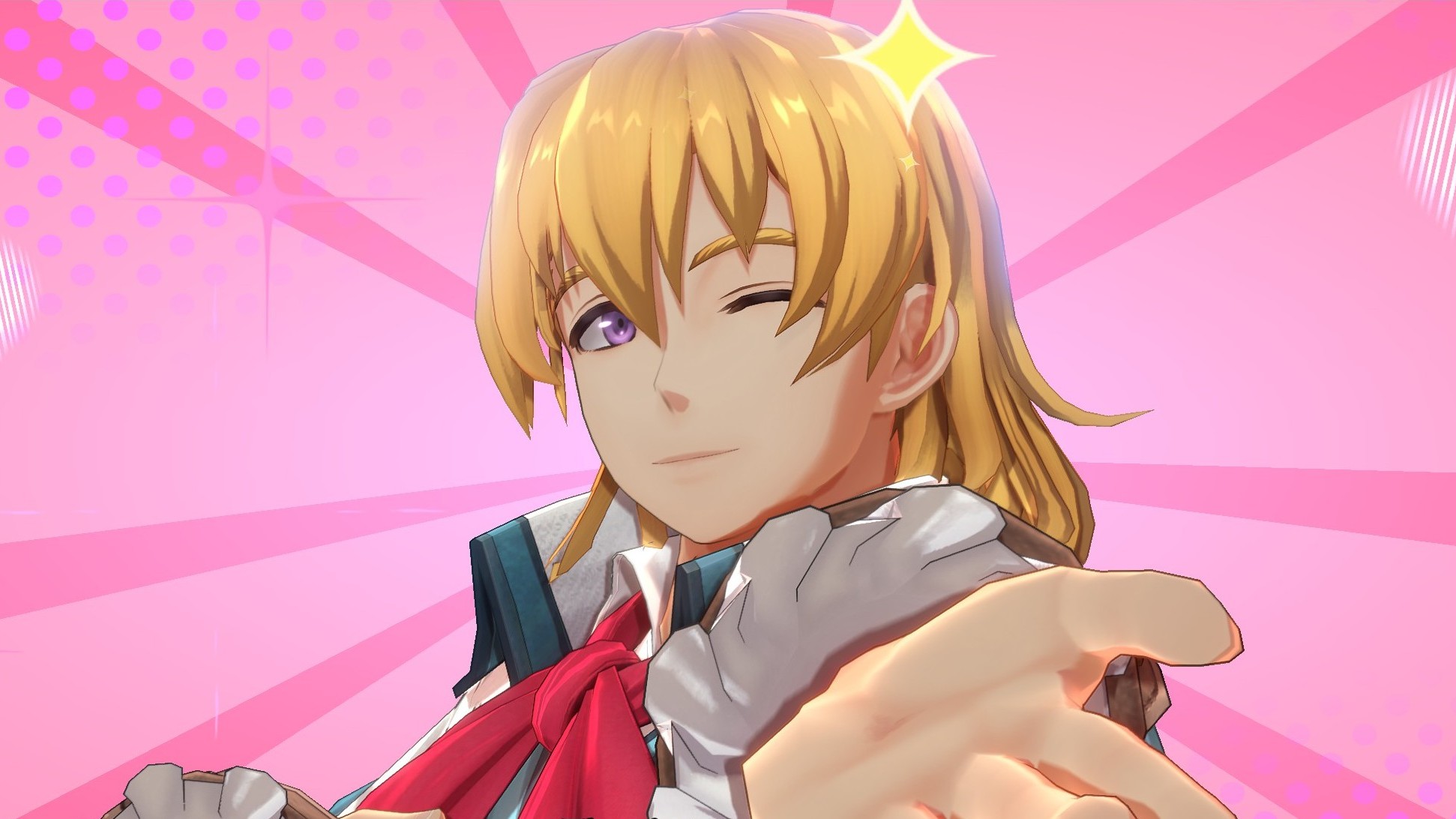
Olivier is my favorite character in this entire series and I do not care how that sounds. He arrives as an over-the-top travelling musician who flirts with everyone, narrates his own entrance, and treats every serious situation as an opportunity for theater. On paper he should be exhausting. In practice he's the best-written comic relief in the franchise, because the game never lets him be only a joke.
He's smarter than he lets on. He notices things nobody else does. And every so often the mask slips for exactly one line, and you realize how much he's actually carrying. The remake makes this work even better, because Olivier is a character whose entire personality is a performance — and now you can see him perform. The delivery, the timing, the way the smugness drops off his face for a beat. Voice acting does a lot of heavy lifting here.
And the dynamic with Scherazard is still perfect. She drinks him under the table until he blacks out. He keeps coming back for more. Their friendship grows across the entire series from here, and watching where it starts, knowing where it goes, is one of the quiet pleasures of replaying this game.
The other reason he matters, though, is the world. He's an Erebonian noble wandering around Liberl pretending to be a nobody, and the game quietly uses him to open a window onto the wider continent. He's one of the earliest hints that Liberl is a small country in a much bigger and much more dangerous neighbourhood. That's the Trails trick in miniature — a character who entertains you in the moment and then turns out to be load-bearing for the setting.
Josette, Estelle, and the Only Argument That Matters
Here's the other thing I love, and I know it's a controversial take in some corners of the fandom: the Josette rivalry is great and I'm glad the remake kept it exactly as petty as it was.
Josette Capua is the youngest of the Capua siblings, the only girl among the sky pirates, and the one who handles all of the gang's actual day-to-day work while her brothers cause problems. She's an orbal gunner and an Arts user. She's fiery on the surface and genuinely responsible underneath. She can cook. She keeps the entire crew from living in filth. She calls Estelle "the brainless one."
And she has a huge crush on Joshua, which means she and Estelle are permanently at war.
The reason this works is that it's the one thing that makes Estelle insecure. Estelle, who walks into an Ouroboros plot with her chin up and no plan whatsoever, who talks back to armed men twice her size, who is basically unshakeable — put her in a room with Josette and she turns into a kid having a shouting match on a playground. Their interactions inevitably devolve into childish bickering, and that is exactly the point. It's the only place where Estelle gets to be a teenager.
Kloe's confession is in the same territory, and it's handled with the same light touch. Estelle takes it far better than she takes Josette, which tells you everything about how she actually feels.
The remake makes all of this better for one simple reason: facial animation. Jealousy is a facial expression. So is smugness. So is the exact moment when one of them realizes the other has a point. In the original you read those lines and imagined the look. Now you get the look.
Combat, Orbments, and the Quality of Life That Changes Everything
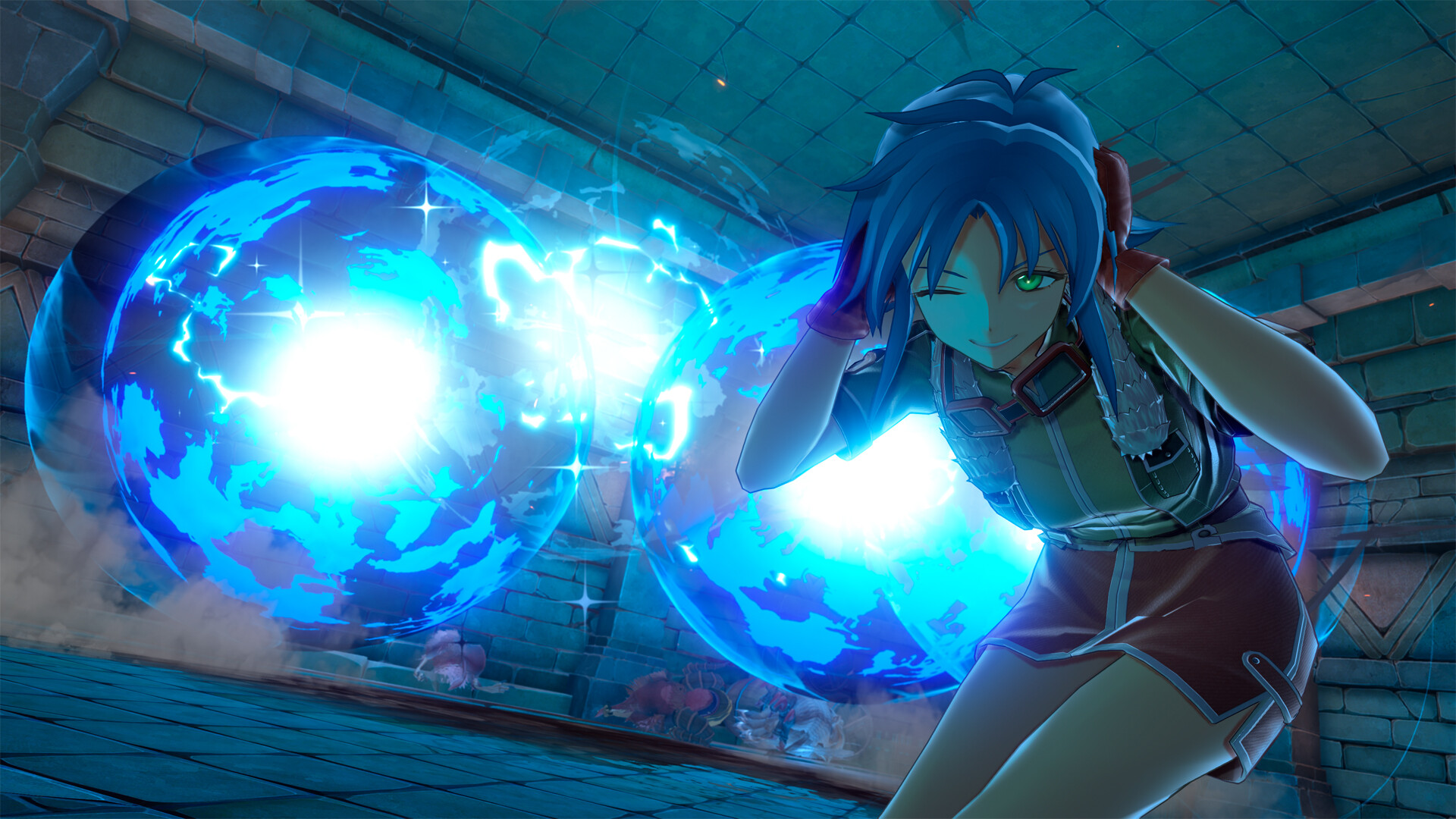
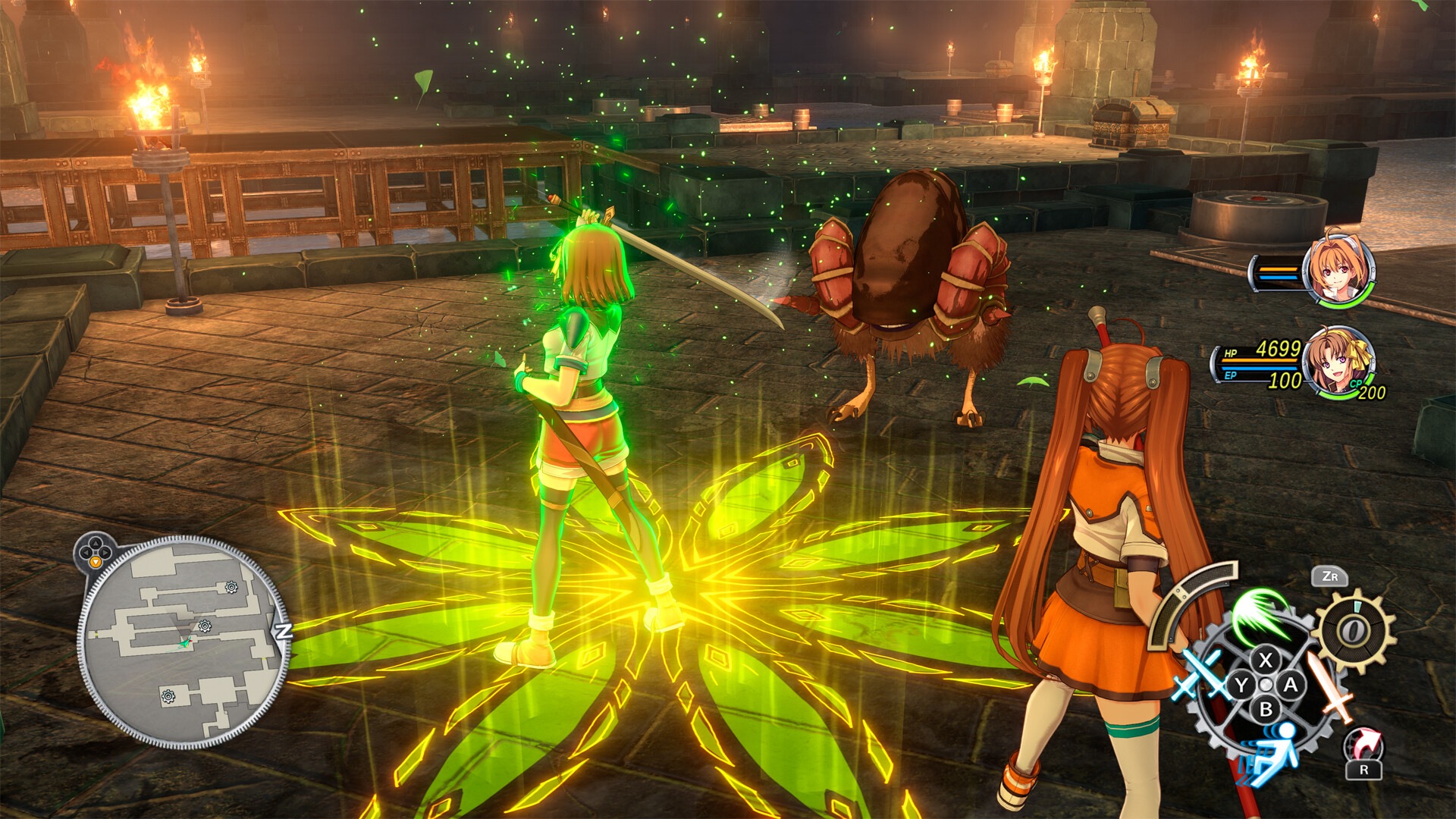
The combat system is the most customizable it has ever been in this part of the series. Quick Battles let you link your characters' attacks, and the new Brave Rush turns that into something you actively plan around instead of just mashing through. Command Battles are still where the real game lives — turn order, delay manipulation, stealing AT bonuses off the timeline, and the Orbment system feeding Arts, Crafts, and S-Crafts into a build you actually have to think about.
You can break it wide open with the right quartz setup. That's a feature, not a bug, and I say that as someone who abused it shamelessly on Easy.
Speaking of which: the difficulty options are generous, and I want to say that plainly. I start every Trails game on Easy and I have no intention of apologizing for it — the first playthrough is for the story, and I want the story uninterrupted. The replay is where I go looking for a fight. That's exactly why the difficulty range matters here: it lets the same game be two different games depending on what you came for, and Falcom has finally stopped treating those two goals as mutually exclusive. If you want to fight for every turn, the higher difficulties will absolutely accommodate you.
The quality-of-life work is where the remake quietly earns its money:
- Turbo mode, so I can move through a town I've walked through fifteen times without losing my mind
- A dialogue backlog with voice replay, which I have used constantly
- Quest and objective tracking that actually tells you where to go without spoiling what's there
- Auto-save that has saved me from a rage-quit more than once
- Save data carryover from 1st Chapter, which gives you bonus items and a smoother opening
- Side content — fishing, poker, cooking with your party, and fan-favorite characters joining as fully playable party members
There's a training ground early on where you can hit practice dummies to get a feel for the systems, and I genuinely appreciate that it exists. It's a small thing that a lot of JRPGs still get wrong.
The Two Mods Worth Installing
If you're playing on PC, there are two mods I'd genuinely recommend, both by the same author.
The first is the Remastered Texture Pack, which upscales nearly 5,000 textures across the entire game. It's a big download and it takes up serious disk space, but the difference in environments and character details is real and immediately visible. If you like high-detail textures, this is the one.
The second is Voiced Party Members and NPCs, which adds voice coverage to party members and background NPCs that the base game leaves silent. The author is upfront that the voice work is generated with AI cloning rather than recorded performances. I'll pass that along honestly, because you should know what you're installing before you install it. If that's a dealbreaker for you, skip it — the base game's voice work is excellent on its own. But if you want the world to feel more populated when you walk through a town, it does exactly that.
The Price: Rp1.022.310, and I'm Still Mad About It
Now the part where I stop being a happy fan.
This game is US$59.99. There is no regional pricing for Indonesia. None. The price you pay here is the US price with the currency symbol swapped out, and it lands at Rp1.022.310.
I need to be clear about how much money that is in this country. That is not a "hmm, let me think about it" purchase. That's a number you look at, close the tab, and come back to three days later hoping it changed. For most people I know, a million rupiah on a single video game is a genuinely difficult decision, and Falcom's regional pricing team has decided that Indonesian players should pay the same as players in countries where that amount is an afternoon's spending.
I bought it anyway. Obviously I bought it anyway. But I want it on the record that I bought it resentfully, and that the resentment is not about the game's quality. It's about being asked to pay a premium price for no reason other than where I happen to live.
Here's my honest math for anyone on the fence, because I think it's the only argument that actually holds up: I got more than 70 hours out of this. One full clear, and I didn't even finish everything. That's around Rp14.600 per hour. A cinema ticket in Indonesia costs more than that per hour of runtime, and this is 70 hours of a story I have loved for years, with a remake that finally does it justice.
It's expensive. It's worth it. Both of those things are true at the same time, and I refuse to pretend otherwise.
Spoilers: What Hits Harder Now
Spoiler warning. If you haven't finished SC — original or remake — skip to the verdict. I'm not going to be subtle about it.
The Joshua reveal is the one I was most worried about, and the remake nails it. His past as an assassin, the way he was shaped into a weapon before he was old enough to understand what was being done to him, and the reason he walks away — all of it lands harder now because you can see him while he says it. The original told you he was broken. The remake lets you watch him try not to be.
Ouroboros gets the same treatment. The Enforcers were always a great antagonist roster, and giving them real screen presence and proper framing turns them from a parade of cool designs into an actual threat. Weissmann in particular benefits — he was always the most hateable villain in the series, and the remake lets you see exactly how much he enjoys what he's doing.
Loewe still hits the hardest. He always did. He's a man who chose the wrong side for reasons that make complete sense, and the remake's presentation makes his scenes feel like the tragedy they always were rather than the cool boss fight the original's sprites sometimes reduced them to.
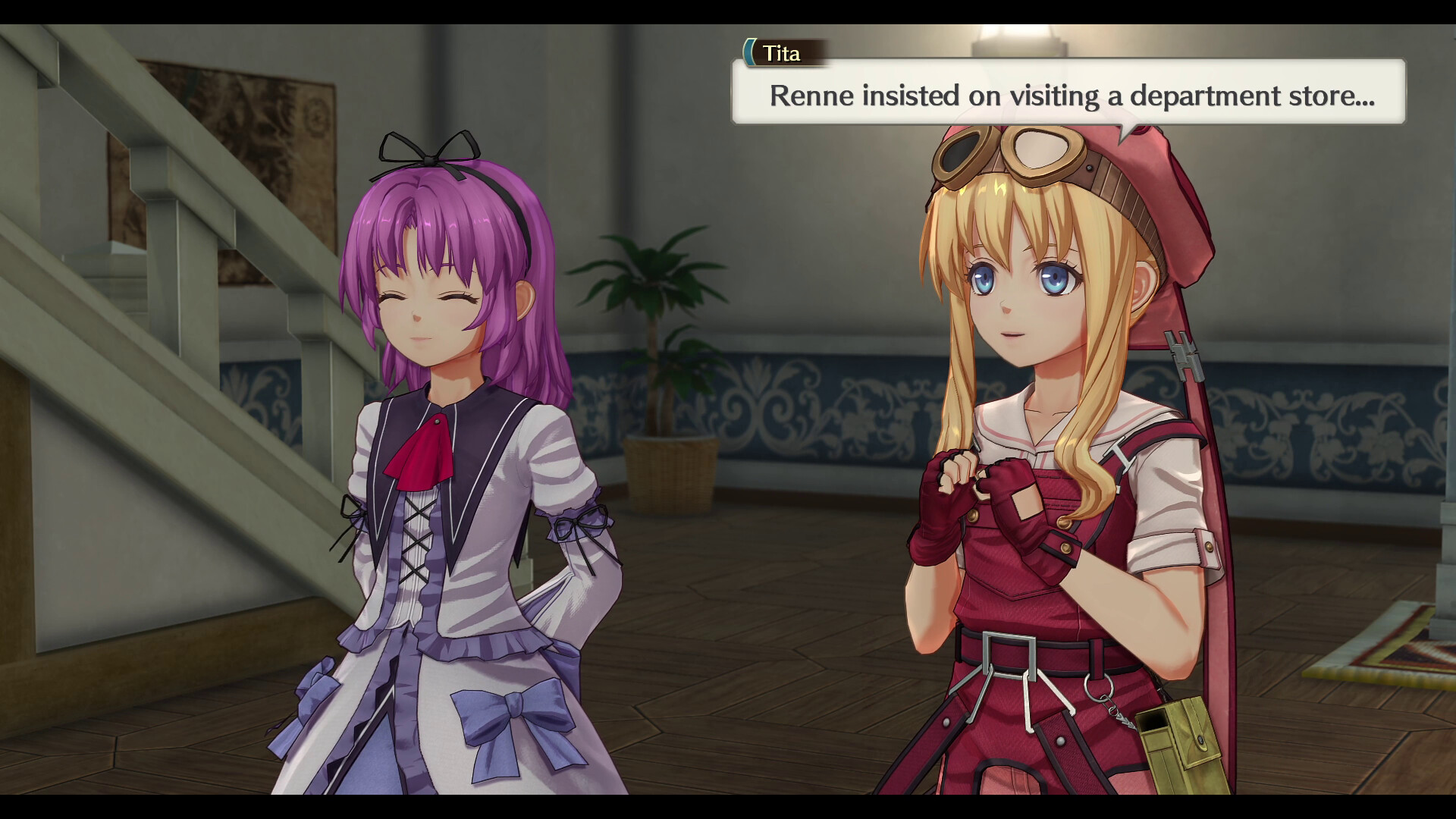
Renne is the one that got me, though. I've known her story for years and it still sits badly with me, and the remake gives it the room to breathe that it deserves. The Bright family's decision to keep reaching for her — to insist that she is a child who deserves saving even after everything she's done — is the emotional core of the back half, and it's the reason Estelle's arc pays off the way it does.
And then there's the ending. The capital in flames, the colossal airship over Liberl, the Shining Ring. Knowing what's coming doesn't make it land any softer. If anything, watching it play out with modern production values makes the scale of the crisis feel real for the first time. In the original it was a series of impressive backgrounds. Now it's a disaster you're standing inside — in a city you have spent two games walking around, full of NPCs you have been checking in on since the first chapter. That's the difference, and it's enormous.
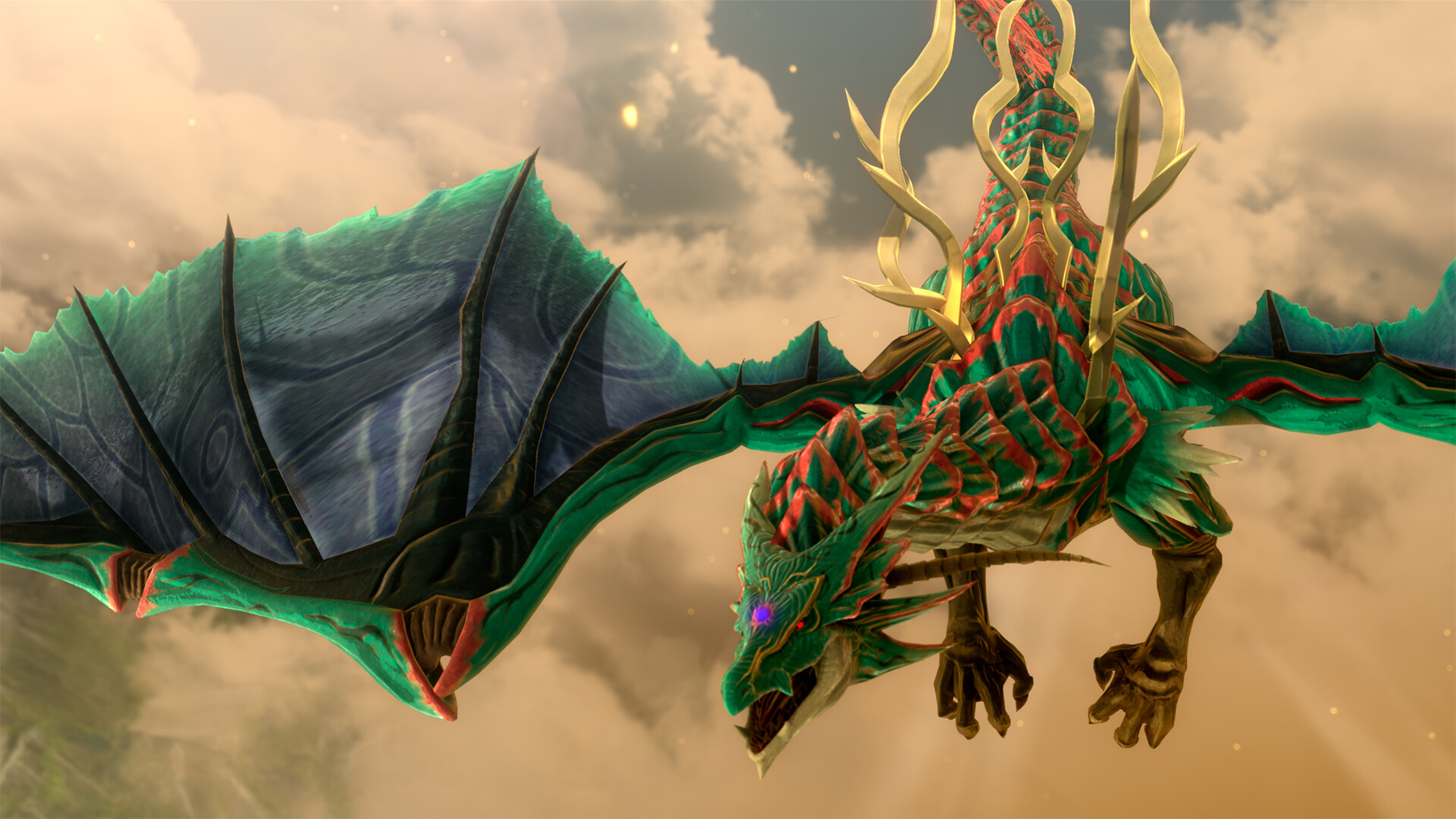
But the biggest thing this section has to cover isn't a character at all. This is the game where the series stops being about two bracers and starts being about a continent. Ouroboros moves from a shadowy rumour to an actual organisation with a hierarchy, a plan, and a set of operatives who all get proper screen time. The Sept-Terrion stops being a word and becomes the thing everyone is actually fighting over. The Church, Erebonia, and Calvard all start circling the edges of the story. Every single thing the later games build on is seeded right here.
If you're a world person rather than a character person — and I am — this is the entry where the world starts paying off. The first game sets up a country. This one sets up a continent.
The Verdict: 10/10, and Yes I Know
If you want a score that reflects whether this game is objectively better than every other game released in 2026, go read someone else. That person exists. They're doing good work. Go find them.
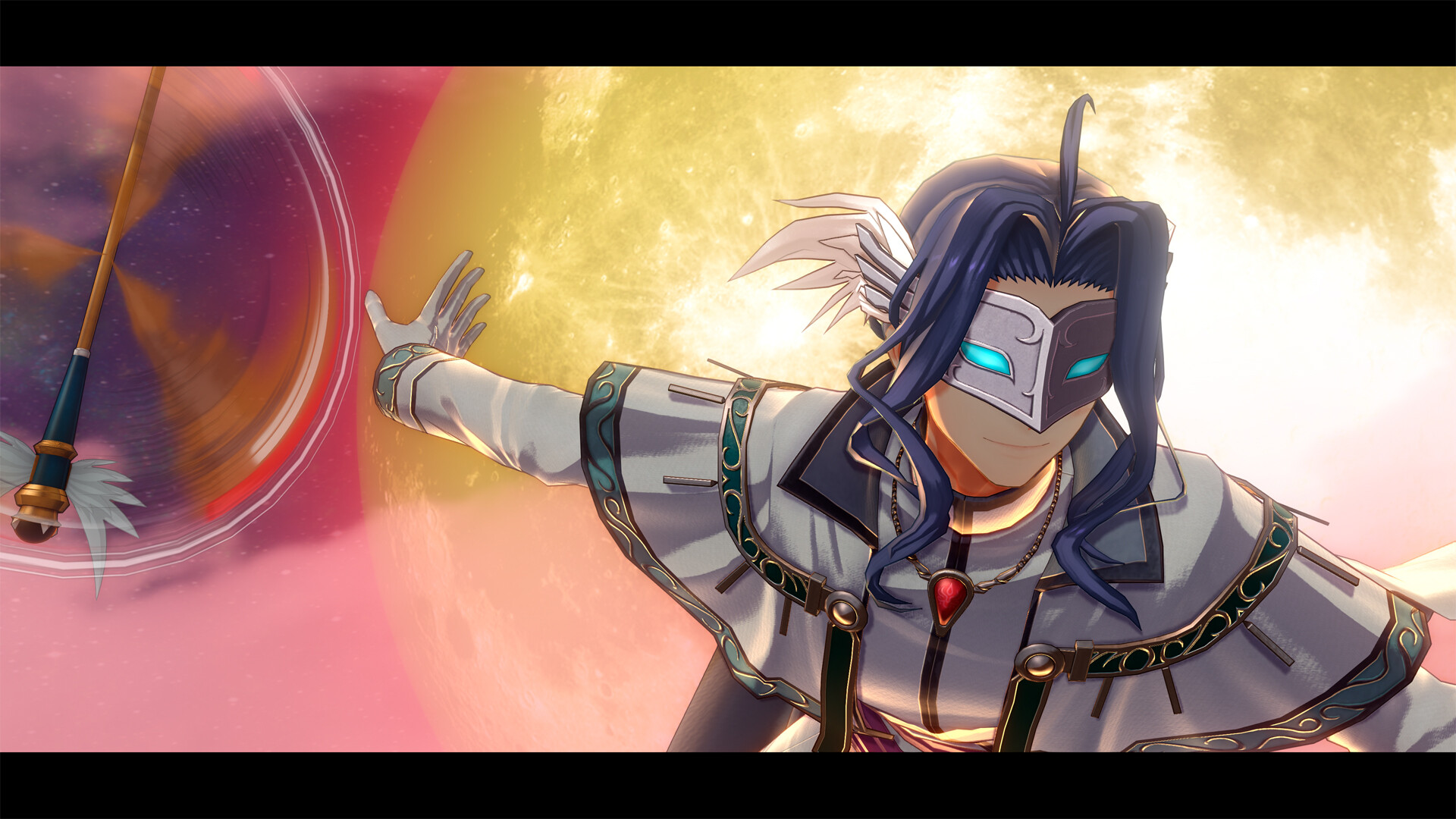
This is a 10/10 because I waited years for this remake and it gave me exactly what I wanted: the same story, unchanged, presented in a way that finally lets me see the world I've loved since I was a teenager the way I always pictured it in my head. It fixed the one thing that was holding the original back — the presentation — and it didn't touch anything else. That is the whole job, done correctly.
If you're new to the series, do not start here. Play 1st Chapter first — the remake of that one exists, and the carryover data is worth having. If you're already a fan, you've either bought this already or you're waiting for a sale, and I respect both.
And if you're in Indonesia looking at that Rp1.022.310 price tag and feeling like the number is a personal insult — yeah. I know. Buy it anyway. The world is worth it.
Score: 10/10 — A faithful, gorgeous, enormously generous remake of one of the best JRPGs ever made, held back only by a price that punishes players outside the regions Falcom bothers to price for.
Now if you'll excuse me, I'm going to start that second playthrough and finally turn the difficulty up. See you in Liberl, fellow Bracers.